Symptoms and diagnosis

Alpha-Mannosidosis is a progressive, highly heterogeneous disease that is difficult to recognize and therefore it is likely to be underdiagnosed.1

Since the main symptoms of mannosidosis, like dysmorphic traits, dysostosis, and mental retardation, are shared with the symptoms in many lysosomal storage diseases like mucopolysaccharidosis (MPS), a differential diagnosis with other lysosomal storage diseases, especially mucopolysaccharidosis, is challenging and therefore a fast and reliable diagnostic test is crucial.2, 3
symptoms and diagnosis

A pilot study of 1010 individuals, suspicious to MPS based on clinical assessment, investigated the α-mannosidase activity in dried blood spots samples previously tested for six different MPS types.3 Results showed a higher than expected number of Alpha-Mannosidosis cases, suggesting that the incidence of the disease may be higher than previously thought.3

Therefore, for patients with possible MPS but with a negative MPS test result, subsequent alpha-mannosidase testing is strongly recommended.3

Alpha-Mannosidosis signs and symptoms

In Alpha-Mannosidosis patients, signs and symptoms vary amongst people. In general, affected individuals may have:4

intellectual-disability

intellectual
disability

distinctive facial features

distinctive
facial features

immuno deficiency

immuno
deficiency

hearing impairment

hearing
impairment

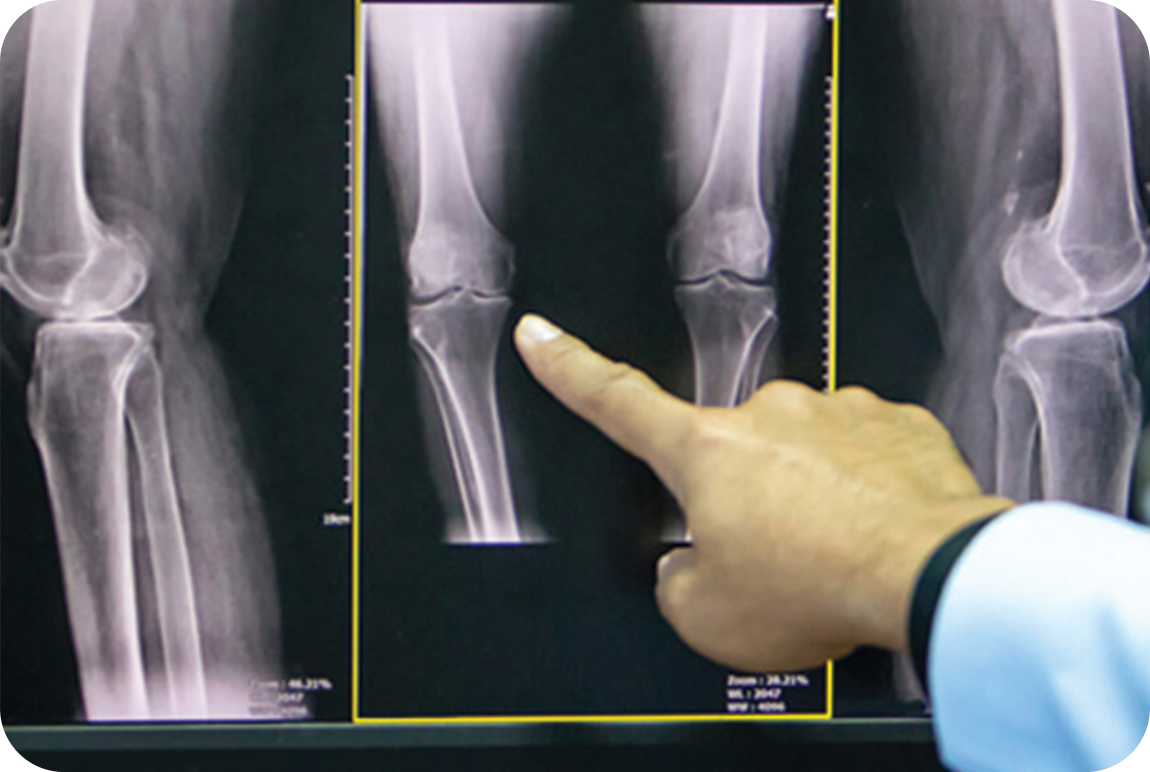
skeletal abnormalities

skeletal
abnormalities

head

Characteristic facial features can include:2

  • large head;
  • prominent forehead;
  • rounded eyebrows;
  • flattened nasal bridge;
  • protruding jaw;
  • widely spaced teeth;
  • overgrown gums;
  • large tongue.

Alpha-Mannosidosis severity

According to the severity of the symptoms, at least three clinical types of Alpha-Mannosidosis (mild, moderate and severe) have been suggested.2, 5

Type 1

MILD FORM

A mild form, clinically recognized after ten years of age, with absence of skeletal abnormalities, and very slow progression.2

Type 2

MODERATE FORM

A moderate form, recognized before 10 years of age, with presence of skeletal abnormalities, slow progression and development of ataxia at age 20-30. This is the most common form.2

Type 3

SEVERE FORM

A severe form, immediately recognized with skeletal abnormalities, and obvious progression, leading to an early death from primary central nervous system involvement or myopathy.2

Despite this classification, given the variety of mutations that have been documented, the broad range and severity of symptoms, and no clear relationship between genotype and severity of the disease, Alpha-Mannosidosis is clinically considered as a continuum, from mild to severe.2, 4, 6

Alpha-Mannosidosis diagnosis

Early diagnosis of Alpha-Mannosidosis is key to timely initiation of treatment, and minimization of progressive symptoms.1, 7

A diagnosis of Alpha-Mannosidosis is suspected based upon identification of:2

mental retardation

mental
retardation

skeletal changes

skeletal
changes

hearing loss

hearing
loss

recurrent infections

recurrent
infections

Other than that, also a thorough clinical evaluation and a detailed patient history are key elements.

Diagnostic methods useful for Alpha-Mannosidosis identification are:

Due to the difficulty to get an early diagnosis and the lack of internationally recognized guidelines, in 2019, an international working group of experts met to establish an algorithm to help general practitioners and specialists (metabolic and non-metabolic) to achieve early diagnosis of Alpha-Mannosidosis and initiate adequate treatment as soon as possible.7

How to recognize
Alpha-Mannosidosis

How to recognize
Alpha-Mannosidosis

  1. Verrecchia, E. et al. Caregivers’ and Physicians’ Perspectives on Alpha-Mannosidosis: A Report from Italy. Adv Ther 38, 1–10 (2021).
  2. Malm, D. & Nilssen, Ø. Alpha-mannosidosis. Orphanet Journal of Rare Diseases 3, 21 (2008).
  3. Wiesinger, T. et al. α-Mannosidosis – An underdiagnosed lysosomal storage disease in individuals with an ‘MPS-like’ phenotype. Mol Genet Metab 130, 149–152 (2020).
  4. Beck, M. et al. Natural history of alpha mannosidosis a longitudinal study. Orphanet J Rare Dis 8, 88 (2013).
  5. Borgwardt, L. et al. Applicability of alpha-mannosidosis classification by phenotype severity in a patient cohort participating to velmanase alfa clinical trials (P-380). J Inherit Metab Dis 41, S37–S219 (2018).
  6. Borgwardt, L., Lund, A. M. & Dali, C. I. Alpha-mannosidosis – a review of genetic, clinical findings and options of treatment. Pediatr Endocrinol Rev 12 Suppl 1, 185–191 (2014).
  7. Guffon, N. et al. Recognition of alpha-mannosidosis in paediatric and adult patients: Presentation of a diagnostic algorithm from an international working group. Molecular Genetics and Metabolism 126, 470–474 (2019).